

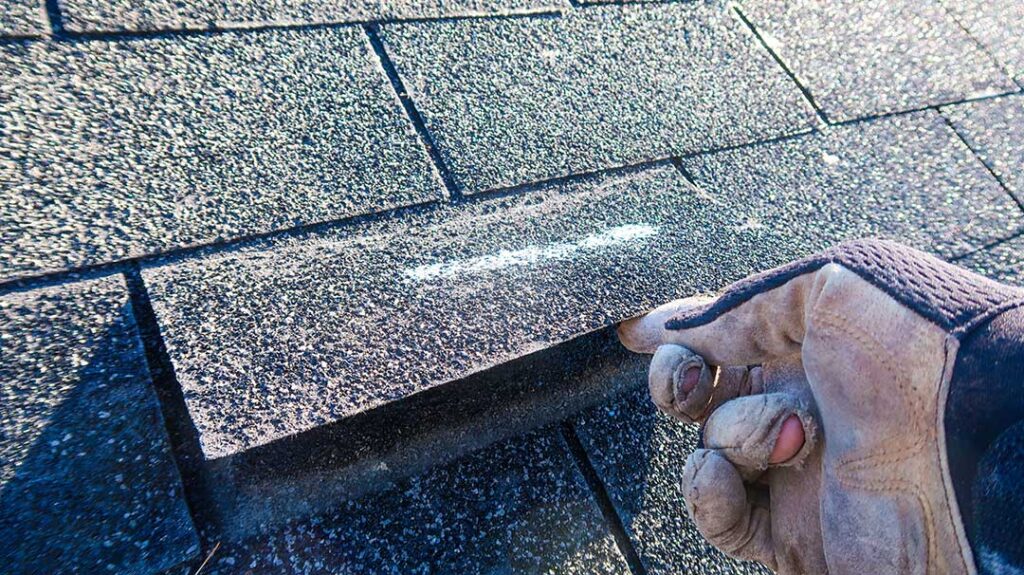
Weather affects a roof gradually and sometimes suddenly. Sunlight, heat, heavy rain, hail, strong wind, snow, ice, and repeated temperature changes can weaken roofing materials, expose vulnerable areas, and turn minor defects into leaks.
For residents of Olathe, the greatest concern is usually not one isolated weather event. Roofs experience a changing mix of hot summers, severe thunderstorms, hail, heavy rainfall, winter cold, and freeze-thaw cycles. Understanding how each condition affects the roof makes it easier to spot problems early.
How does strong sunlight and heat affect a roof?
Sun and heat can dry, shrink, crack, and age roofing materials. Asphalt shingles gradually lose flexibility as ultraviolet exposure breaks down the material. Dark surfaces may become especially hot during summer afternoons, causing repeated expansion and contraction.
Common signs of heat and sun exposure include:
- Faded or uneven shingle color
- Brittle or cracked shingles
- Curling edges
- Missing surface granules in gutters
- Deteriorated sealant around flashing and vents
- Exposed or damaged underlayment
Heat can also affect attic conditions. If an attic is poorly ventilated, trapped heat may raise roof-deck temperatures and contribute to premature aging. Warm, humid air can also create condensation during cooler weather, especially when insulation and air sealing are incomplete.
A roof does not need to look severely damaged to be affected by heat. Gradual surface deterioration may reduce its ability to resist wind and water before a visible leak appears.
What damage can thunderstorms and hail cause?
Thunderstorms can harm a roof through hail, wind, lightning-related debris, and sudden rainfall. Hail may bruise asphalt shingles, crack older materials, dent metal components, and damage skylights or roof-mounted equipment.
Hail damage is not always obvious from the ground. A shingle may remain in place while its protective surface is fractured or loosened. Over time, water can enter through the weakened area.
After a hailstorm, look for:
- Small dark marks or circular dents on shingles
- Missing granules in gutters or downspouts
- Cracked ridge caps
- Dented metal vents, flashing, or gutters
- Damaged screens, siding, windowsills, or outdoor equipment
- New leaks or ceiling stains
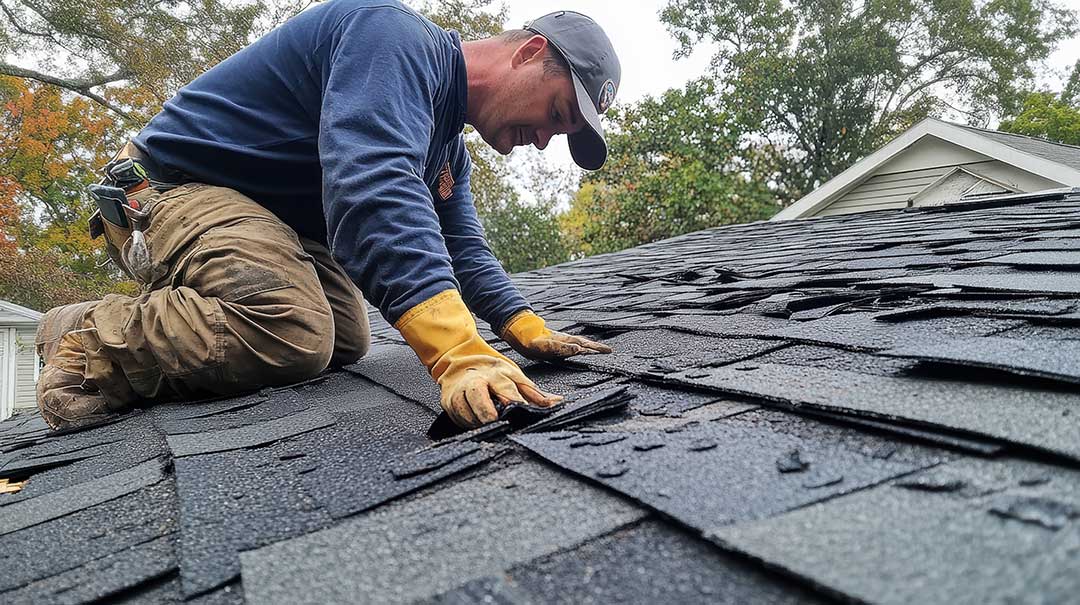
Wind can lift shingle edges, break tabs, loosen flashing, and remove entire sections of roofing. Strong gusts are more likely to cause damage where shingles have already become brittle or where previous repairs were incomplete.
Do not climb onto a wet, damaged, or steep roof after a storm. Ground-level observations and attic checks are safer. If there is active leaking, exposed electrical wiring, a sagging roof surface, or extensive structural damage, the area should be treated as hazardous until it can be safely evaluated.
Why is heavy rain a concern even when shingles look intact?
Heavy rain tests every part of a roof drainage system. Shingles shed water, but the roof also depends on flashing, valleys, pipe boots, underlayment, gutters, downspouts, and properly sealed penetrations.
Water problems often begin at transition points rather than in the middle of a roof slope. Vulnerable areas include:
- Valleys where two roof sections meet
- Chimney or wall flashing
- Plumbing vent boots
- Skylights and roof windows
- Areas around satellite or utility penetrations
- Low-slope sections
- Gutters that overflow against roof edges
Repeated heavy rain can expose small installation defects or deteriorated sealants. Clogged gutters may allow water to back up under the roof edge, while poorly directed downspouts can saturate soil near the foundation.
A ceiling stain does not always appear directly below the source of a leak. Water may travel along rafters, roof decking, insulation, or drywall before becoming visible indoors. A stain that dries after a storm still deserves attention because the underlying entry point may remain active.
How do winter cold, snow, and ice affect roofing?
Cold weather makes some roofing materials less flexible and more vulnerable to cracking during impact or handling. Snow adds weight, although most residential roofs are designed to carry typical local snow loads when properly built and maintained.
Ice can create more complicated problems. Ice dams form when heat escapes into a cold attic and melts snow on warmer sections of the roof. The water can refreeze near colder eaves, creating a barrier that prevents normal drainage. Meltwater may then work beneath shingles or enter at roof edges.
Warning signs include:
- Icicles accompanied by indoor moisture or staining
- Damp insulation near eaves
- Water marks along exterior walls
- Repeated winter leaks
- Frost or moisture inside the attic
- Uneven snow melting across the roof
Ice dams are usually related to heat loss, insulation, ventilation, and roof shape rather than simply the presence of snow. Removing snow or ice from a roof can be dangerous and may damage shingles if done improperly.
What does the freeze-thaw cycle do to a roof?
Repeated freezing and thawing can enlarge small cracks and openings. Water enters a seam or damaged area, freezes, expands, and places pressure on surrounding materials. When temperatures rise, the water retreats, leaving the opening slightly larger.
This cycle can affect:
- Masonry near chimneys
- Mortar joints
- Flashing seams
- Sealants
- Roof decking
- Cracked shingles
- Gutters and downspouts
The effect is cumulative. A small defect may survive one cold spell but become a leak after several cycles. Roof penetrations and older repairs deserve particular attention because they often contain joints or materials that respond differently to temperature changes.
How do trees and debris add to weather-related roof damage?
Wind can break branches and spread leaves, twigs, and other debris across a roof. Even small branches may scratch shingles, block drainage paths, or puncture roofing materials if they fall with enough force.
Leaves and organic debris retain moisture. If they collect in valleys or behind rooftop equipment, the area may stay wet longer than the rest of the roof. Persistent moisture encourages deterioration and can conceal damaged surfaces.
Trees do not need to be directly over a roof to create a problem. Branches that rub against shingles during windy conditions can gradually wear away protective granules. Keeping branches clear of the roof also reduces the chance of impact damage during severe weather.
When should a roof be checked after severe weather?
A roof should be checked after hail, strong wind, unusually heavy rain, falling branches, or a storm that produces nearby damage. The safest approach is a visual inspection from the ground and an examination of accessible attic areas.
Look for:
- New ceiling or wall stains
- Dripping or damp insulation
- Daylight visible through the roof deck
- Shingles or metal pieces in the yard
- Loose flashing
- Overflowing or detached gutters
- Sagging roof sections
- Unusual attic odors or moisture
Photographs taken from the ground can help document changes over time. Repairs involving electrical hazards, unstable surfaces, structural sagging, or active water entry may require qualified assistance because roof access can create serious fall and injury risks.
How can seasonal maintenance reduce weather-related problems?
Regular observation helps identify small problems before the next major storm. Useful maintenance includes clearing leaves from drainage areas, checking that downspouts discharge water away from the structure, inspecting attic ventilation, and watching for damaged or missing shingles.
Seasonal checks are especially useful:
- Spring: Look for winter damage, loose flashing, and blocked drainage.
- Summer: Watch for heat-related cracking, curling, and excessive attic heat.
- Fall: Clear debris and confirm that gutters and downspouts are functioning.
- Winter: Monitor for leaks, ice buildup, condensation, and uneven snow melting.
Weather cannot be controlled, but its effects can be understood. In Olathe, a roof’s performance depends on how well it handles changing conditions over many seasons, not merely how it looks on a clear day.