


What does a roof inspection actually include?
A roof inspection is a systematic review of the roof covering, flashing, drainage, ventilation, and visible structural components. It is more than looking for missing shingles from the ground.
A careful inspection may examine:
- Shingles, metal panels, tiles, or other roof coverings
- Ridge caps, valleys, hips, and roof edges
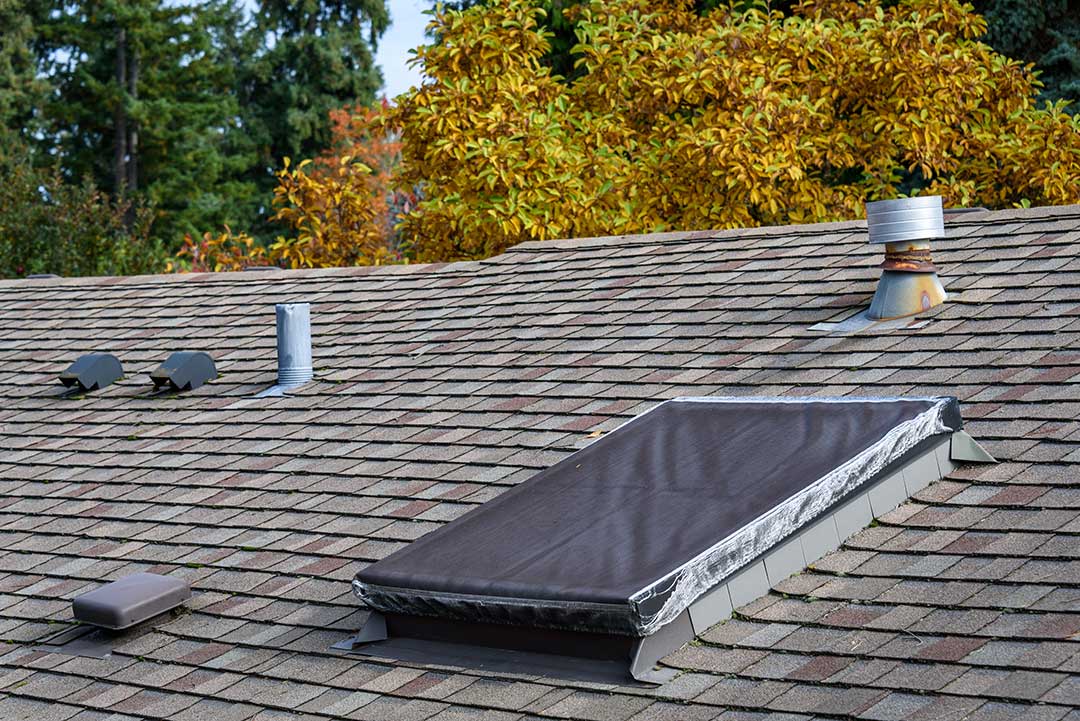
- Flashing around chimneys, walls, skylights, vents, and other penetrations
- Gutters, downspouts, and areas where water may collect
- Attic insulation, ventilation, moisture, and daylight entering through the roof
- Signs of sagging, damaged decking, or movement in the roof structure
- Sealants, pipe boots, fasteners, and exposed underlayment
For safety reasons, homeowners should avoid walking on a roof unless they have the proper training and equipment. A ground-level inspection and attic check can reveal useful information without creating a fall risk.
How often should a homeowner inspect the roof?
Most homes benefit from a visual inspection twice a year: once in spring and again in fall. An additional inspection is sensible after severe weather, especially if the area has experienced strong wind, hail, heavy rain, or fallen branches.
Seasonal inspections are useful because winter moisture and freezing conditions can expose weak areas, while summer storms may damage shingles, flashing, vents, and gutters. In Olathe, KS, changing weather conditions make it practical to check the roof before the coldest part of the year and again before the spring and summer storm season.
A roof should also be inspected when:
- Water stains appear on ceilings or upper walls
- Shingles begin shedding excessive granules
- Gutters contain large amounts of roofing material
- A tree limb strikes the roof
- Wind leaves visible debris or loosened materials
- The home is being bought, sold, remodeled, or insured
- The roof is approaching the expected service life of its materials
The age of the roof matters, but age alone does not determine its condition. A newer roof can have installation problems, while an older roof may remain functional if it has been properly maintained.
What can homeowners check safely from the ground?
A ground-level inspection should begin with the roofline. Use binoculars if necessary, and look for changes that are unusual or uneven.
Common warning signs include:
- Missing, cracked, curled, blistered, or lifted shingles
- Dark patches that may indicate moisture or algae growth
- Exposed fasteners or loose flashing
- Sagging lines along the roof plane or ridge
- Damaged soffits, fascia, or drip edges
- Gutters pulling away from the house
- Granules collecting near downspouts
- Tree branches rubbing against the roof
- Daylight visible where roof edges or flashing should be closed
Not every dark mark means the roof is leaking, and not every missing granule means replacement is necessary. The significance depends on the pattern, location, age of the roof, and whether moisture is present inside the home.
After a storm, look for roofing materials in the yard, on decks, or in gutters. Hail damage can be difficult to see from the ground, particularly on darker shingles. Dents in soft metal components, such as vents or flashing, may provide clues that the roof experienced impact.
What should be checked in the attic?
The attic can show problems that are not visible from outside. Inspect during daylight hours with a flashlight, taking care not to step between ceiling joists or disturb insulation unnecessarily.
Look for:
- Brown or yellow water stains on roof decking
- Damp insulation or musty odors
- Mold-like growth caused by persistent moisture
- Rust around nails or metal fasteners
- Light coming through roof boards, except at designed ventilation openings
- Wet or compressed insulation
- Inadequate airflow near soffit, ridge, or gable vents
- Sagging or damaged roof decking
A roof leak does not always appear directly above an interior stain. Water can travel along rafters, decking, insulation, or framing before becoming visible. For that reason, an attic stain may indicate an entry point higher up the roof slope.
Condensation can also resemble a roof leak. Poor attic ventilation or warm, moist air escaping from the living area may create moisture on the underside of the roof deck. The solution may involve air sealing or ventilation rather than exterior roof work.
Which roof problems require prompt attention?
Active leaks, structural movement, and exposed openings deserve prompt attention. Place a container under interior drips if needed, move belongings away from the area, and document the damage with photographs.
More urgent warning signs include:
- A section of roof that is visibly sagging
- Water entering during or immediately after rain
- Large areas of missing roofing material
- Damaged decking visible from the attic
- A fallen limb resting on the roof
- Exposed electrical components near water
- Ceiling areas that are bulging from trapped water
- Flashing pulled away around a chimney, wall, or roof penetration
Do not climb onto a damaged roof or attempt repairs during rain, high wind, lightning, or icy conditions. Structural damage and electrical hazards are not suitable for a do-it-yourself inspection.
Small concerns should still be recorded. A dated photo log can help determine whether a wrinkle, stain, lifted shingle, or gutter problem is changing over time.
Does a roof inspection identify every leak?
No. A roof inspection can identify visible damage and likely sources, but some leaks are intermittent or hidden. Wind-driven rain may enter only under specific conditions. Ice, debris, clogged drainage, condensation, and plumbing vents can also create moisture that appears to come from the roof.
A useful inspection considers the entire water-shedding system:
- Roof slope and drainage paths
- Valleys and transitions between roof sections
- Flashing at walls and penetrations
- Gutters and downspouts
- Attic ventilation
- Chimney or masonry joints
- Nearby trees and overhanging branches
The location of an indoor stain should not automatically determine the repair location. Water may enter several feet away and travel before becoming visible.
What local code questions should homeowners know?
For one- and two-family dwellings and townhomes in Olathe, reroofing and repairs down to the roof deck generally do not require a residential permit, but the work still must comply with the currently adopted residential code and municipal requirements. Projects involving structural changes, additions, or other alterations may have different requirements.
Roofing details that can matter include underlayment, ice-barrier protection, flashing, roof-to-wall transitions, and drainage around wide penetrations. Homeowners should verify current requirements before beginning work, particularly if the project goes beyond simple maintenance or replacement of roof coverings.
A code-compliant installation is not necessarily the same as a roof in good condition, and a visual inspection is not a substitute for a municipal inspection where one is required.
What should homeowners document during an inspection?
Keep a basic roof record with:
- Approximate installation date
- Roofing material and color
- Previous repairs
- Dates of severe storms
- Photos of roof slopes, flashing, gutters, and attic areas
- Interior stains or repairs
- Notes about recurring leaks or drainage problems
Clear documentation is especially useful for older homes, recently purchased properties, and houses with several roof sections or additions. It also helps distinguish new damage from long-standing cosmetic conditions.
A roof inspection is most useful when it answers three practical questions: Is water entering the home? Is the roof shedding or losing material? Are any visible conditions likely to worsen if left unattended? Those questions help homeowners focus on safety, maintenance, and evidence rather than reacting to every stain or imperfection.